7 Signs Your Deck Needs Repair or Replacement
7 warning signs your deck needs repair or replacement, from soft boards to loose railings. A guide for El Dorado County homeowners.
11/22/20254 min read
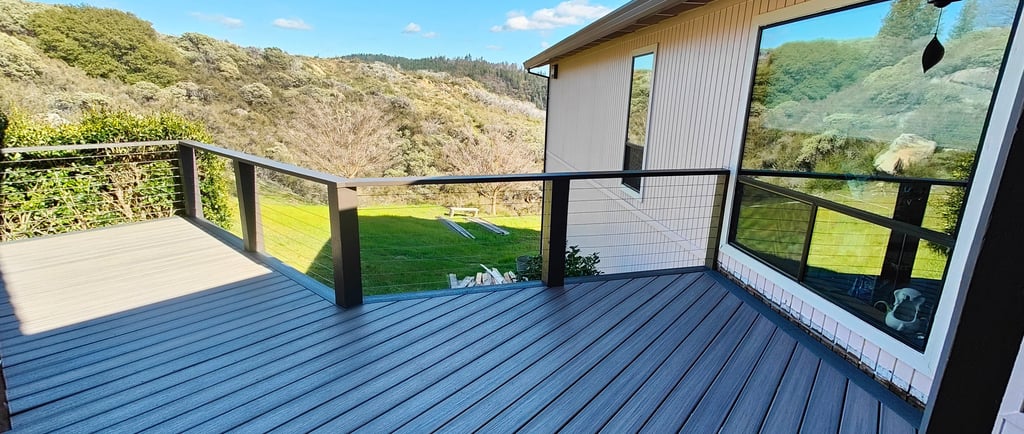
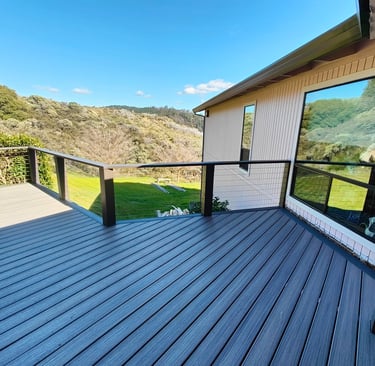
If you live in El Dorado County, Placerville, Pollock Pines, or the Sierra foothills, your deck and siding take a beating—snow, rain, UV, and big temperature swings.
That’s great for views, not great for wood.
At Sierra Ridge Deck & Siding, we’re on decks every week that look okay from the top, but underneath they’re one winter away from a serious failure. This guide walks you through 7 clear warning signs your deck or siding needs professional attention—and what to do next.
Goal: keep your outdoor space safe, legal, and ready for BBQ season, not the next emergency call.
1. Soft, Spongy, or Cracked Deck Boards
Walk your deck slowly. If you feel:
Spongy spots
Visible rot or dark “punky” areas
Deep cracking or splintering
that deck surface is no longer doing its job.
Rot usually starts around:
Ends of boards
Around fasteners
Areas that stay wet or shaded
What to do:
Replace damaged boards before someone’s foot goes through them. If more than 20–30% of the surface is compromised, you’re probably in full resurfacing or rebuild territory.
See real deck repairs and rebuilds in our portfolio
2. Wobbly Railings or Bouncy Stairs
If your railings move when you lean on them or your stairs bounce when you walk, that’s not “just old”—that’s dangerous.
Red flags:
Railings that flex or wiggle
Loose posts bolted to the outside of the rim joist with minimal support
Stair stringers that are cracked, notched too deep, or sitting in dirt
Why it matters:
Guardrails and stairs are life-safety components. Modern deck guidelines and industry groups like NADRA (North American Deck & Railing Association) treat these as critical points of failure, not cosmetic details.
You can even point homeowners to a checklist like NADRA’s “Check Your Deck” for DIY awareness, but the inspection and fix should be done by a pro.
👉 Internal link idea:
https://sierraridgedeckandsiding.com/
3. Ledger & Flashing Problems Where Deck Meets House
Most catastrophic deck failures start at the ledger (the board that ties the deck to the house). If the ledger or flashing is wrong, your deck is rotting from the inside out.
Warning signs:
No visible metal or membrane flashing where the deck meets the house
Staining, swelling, or rot at the siding right above the deck
Old decks fastened with nails only, instead of structural screws/bolts
Modern best-practice guides—like the Prescriptive Residential Wood Deck Construction Guide (AWC DCA-6)—show proper ledger attachment, bolt spacing, and flashing details to keep water out and connections solid.
If the ledger is wrong, you don’t “patch” it with caulk. You fix the structure.
https://sierraridgedeckandsiding.com/siding-eldorado-county
4. Rusted Hardware, Loose Fasteners, and DIY Fixes
Creeping rust and “creative” repairs are huge red flags.
Look for:
Rusted joist hangers, post bases, or bolts
Random screws or lag bolts added at odd angles
Mix-matched metals (for example, galvanized hardware with certain treated lumber)
As hardware corrodes, its capacity drops, and the surrounding wood often rots faster. Industry checklists and deck evaluation guides specifically call out corroded hardware and loose connections as major safety triggers.
Bottom line:
If you’ve got rust and DIY patches holding the frame together, it’s time for a professional evaluation—not another trip to the hardware store.
5. Siding That’s Swollen, Cracked, or Gapped Near the Deck
Deck problems and siding problems usually show up together.
Pay attention to:
Swollen or wavy lap siding above or next to the deck
Cracked or missing caulking at trim joints
Gaps where water can get behind siding and into your wall assembly
In the Sierra climate, improperly detailed siding around decks can lead to:
Hidden rot in sheathing
Mold issues inside the wall
Insect damage and long-term structural problems
https://sierraridgedeckandsiding.com/siding-eldorado-county
6. Your Deck Predates Current Codes (or Nobody Knows Who Built It)
If your deck:
Was built before you bought the house
Has no permit records you can easily find
Looks like a “weekend project”
there’s a good chance it doesn’t meet current structural or safety standards.
Industry data suggests a huge percentage of older decks in the U.S. are past their intended service life and need major repair or full replacement—not just new boards on top.
For multi-family and rental properties in California, there are also balcony and exterior elevated element laws that require periodic inspections and documentation by qualified professionals. Those regulations are only getting stricter over time, not looser.
If you’re renting or selling:
A failing deck or balcony is now not just a safety risk—it’s a compliance and liability problem.
7. You Avoid Using the Deck Because It “Doesn’t Feel Right”
Most homeowners already know, deep down, when their deck or siding isn’t safe:
You tell guests, “Don’t lean on that railing.”
You avoid the outer edge of the deck.
You’ve noticed movement, but keep putting off the fix.
That feeling is your early warning system. If the deck makes you nervous, it’s time to bring in someone who looks at this stuff all day, not once every few years.
How Sierra Ridge Deck & Siding Helps El Dorado County Homeowners
We specialize in deck rebuilds, structural repairs, and full siding replacements built for real Sierra weather—not just curb appeal.
What we typically do on a project:
Full on-site inspection of framing, ledger, hardware, railings, and siding interfaces
Clear, line-item proposal: what can be repaired vs. what needs replacement
Code-conscious rebuilds: using modern framing hardware, ledger details, and flashing best practices
Sierra-ready material options: pressure-treated, composite, and advanced siding systems tuned for snow, rain, and sun
👉 Internal link ideas for your site structure:
https://sierraridgedeckandsiding.com/deck-builder-near-me
Want a Straight Answer on Your Deck or Siding?
If your deck feels sketchy or your siding is starting to fail, don’t wait for the next storm to make the decision for you.
Here’s what to do next:
Take 10 minutes to walk your deck with a simple checklist (you can reference tools like NADRA’s free “Check Your Deck” homeowner guide).
Write down anything that looks or feels wrong—movement, rot, cracks, gaps, rust, or water staining.
Call or text Sierra Ridge Deck & Siding to schedule a professional inspection and quote.
New deck. New siding. New life outside—built to handle real Sierra weather.
CHECK US OUT ON INSTAGRAM!
Call or text: (530) 903-7996
Email: teams@sierraridgedeckandsiding.com
Serving El Dorado, Placer, Amador and Sacramento counties • CSLB #1117955